
Internet of Things Training Program
5 DaysInternet of Things Training Program
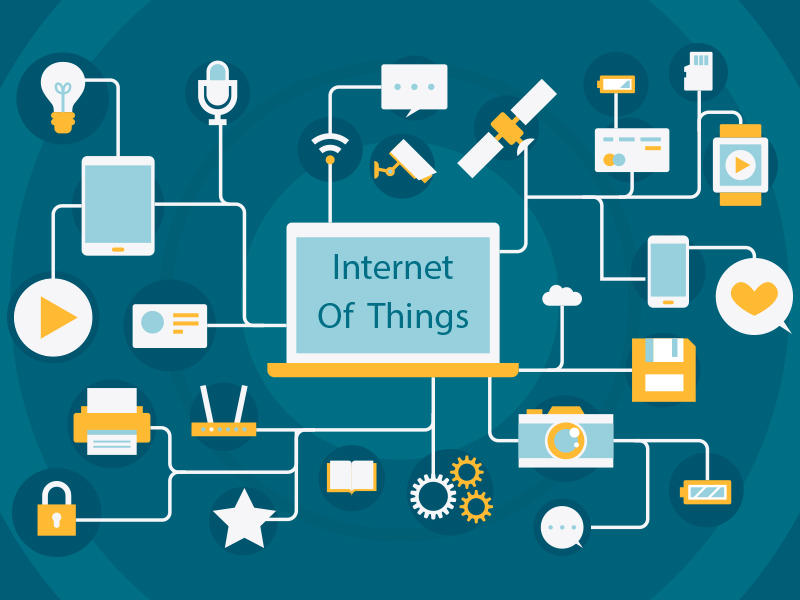
The British Academy for Training and Development offers this course on “Internet of Things (IoT)”. As IoT is a rapidly evolving technology paradigm that connects everyday objects to the internet, enabling them to collect, exchange, and analyze data autonomously. This course provides participants with a comprehensive understanding of IoT concepts, technologies, and applications. Participants will explore the fundamental principles of IoT architecture, communication protocols, sensor devices, data analytics, and security considerations. Through hands-on projects and case studies, participants will gain practical experience in designing, implementing, and managing IoT solutions across various domains.
Overview
Course Objectives
Who Should Attend?
- IT professionals interested in IoT technologies
- Engineers and developers working on IoT projects
- Entrepreneurs and business leaders exploring IoT opportunities
- Students pursuing degrees in computer science, engineering, or related fields
- Anyone interested in learning about the Internet of Things
Knowledge and Benefits:
After completing the program, participants will be able to master the following:
- Understand the fundamental concepts and principles of the Internet of Things (IoT).
- Gain knowledge of IoT architectures, components, and communication protocols.
- Learn about sensor devices, data acquisition, and connectivity technologies used in IoT.
- Explore IoT applications across various industries, such as healthcare, agriculture, smart cities, and manufacturing.
- Develop hands-on skills in designing, implementing, and managing IoT solutions.
- Understand the challenges and security considerations in IoT deployments.
Course Outline
- Introduction to IoT Concepts and Ecosystems
- Definition and scope of the Internet of Things
- Historical evolution and future trajectory of IoT
- Ecosystem components: devices, connectivity, platforms
- Architectural Framework of IoT Systems
- Overview of IoT system layers: perception, network, and application
- Communication models and protocols used in IoT
- Device and gateway interactions within an architecture
- Sensors, Actuators, and Data Collection
- Role of sensors in monitoring physical environments
- Types of sensors and their applications
- Data acquisition and analog-to-digital conversion processes
- Network and Communication Technologies
- Comparison of IoT communication protocols (MQTT, CoAP, etc.)
- Use of LPWAN, 5G, and Wi-Fi in IoT
- Factors affecting network choice: range, bandwidth, energy
- IoT Platforms and Cloud Integration
- Overview of IoT platforms (AWS IoT, Azure IoT Hub, etc.)
- Data flow from edge to cloud and real-time processing
- Interoperability across platforms and vendor ecosystems
- Data Analytics and Processing in IoT
- Role of big data and analytics in IoT applications
- Real-time vs batch data processing techniques
- Use of machine learning for predictive analysis
- IoT Security and Privacy Considerations
- Common security threats in IoT environments
- Authentication, encryption, and secure boot mechanisms
- Privacy regulations and data protection practices
- Standards and Protocols in IoT Systems
- Importance of standardization in device interoperability
- Key industry standards (IEEE, IETF, ITU)
- Role of open-source protocols in IoT development
- Industrial and Enterprise IoT Applications
- Use cases in manufacturing, logistics, and smart grids
- Industrial IoT (IIoT) and integration with existing systems
- Challenges in large-scale deployment and control
- Smart Cities and Future Trends in IoT
- Role of IoT in urban infrastructure and public services
- Integration of AI, blockchain, and edge computing with IoT
- Emerging trends shaping the next generation of IoT
Schedule & Fees
No upcoming sessions at the moment. Contact us for custom scheduling.